sectors
Improda Studio Legale provides tailored legal assistance to companies of all sizes and types, operating across a wide range of economic sectors – from industry to services, commerce and technology – combining legal expertise with strategic vision to support growth, compliance and innovation.
browse all sectors
agri-
food
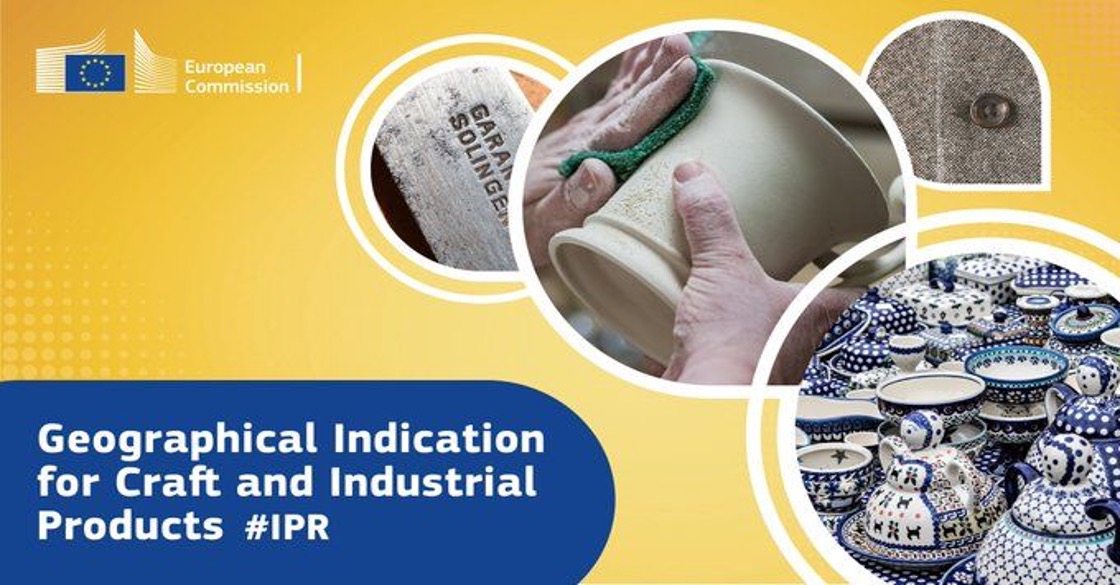
The agri-food sector faces increasingly complex challenges, including climate uncertainty, energy cost volatility, geopolitical pressures and growing global competition. Companies must adopt resilient strategies and robust compliance frameworks. At the European level, the EU’s “Farm to Fork” strategy highlights priorities such as traceability, administrative simplification and adherence to environmental, social and animal welfare standards. At the same time, the adoption of emerging technologies – including IoT, blockchain, and precision farming – creates opportunities while introducing risks related to data protection, interoperability and cybersecurity. In the near future, supporting clients in balancing technological innovation, sustainability, stakeholder protection and the safeguarding of geographical indications (PDO, PGI) will be crucial. Improda Studio Legale provides comprehensive guidance on transparent supply chains, regulatory compliance and risk management, helping clients enhance and protect Italy’s renowned food and wine culture and culinary traditions at both national and European levels.
The Firm’s clients in the agri-food sector include:
- Leading Italian jam producer;
- Prestigious wineries across the country, including major distributors of spirits and liqueurs;
- Consortia for the protection of PDO and PGI products;
- Agri-food distribution chains.
approfondimenti





art and
cultural heritage
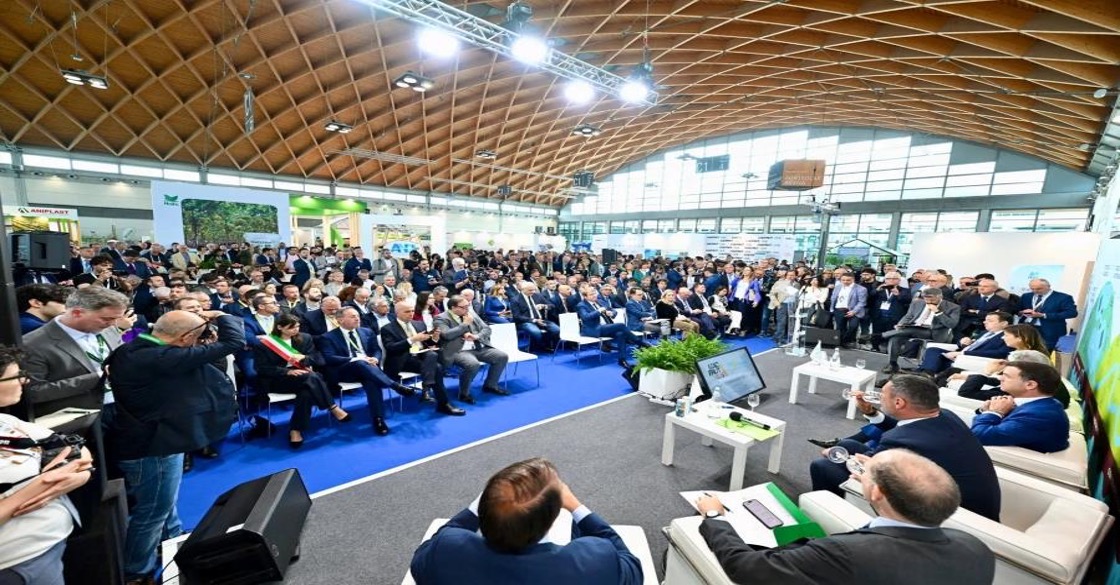
The art and cultural heritage sector sits at the intersection of historical value, collective identity, and complex regulatory frameworks. Italian regulations, such as the Cultural Heritage Code, and international instruments – including the UNIDROIT Convention, the Orphan Works Directive, and EU Regulation 2019/880 – impose obligations ranging from due diligence and import licenses for antique goods to the management of orphan works. Key challenges for operators include combating illicit trafficking and money laundering in the art market, ensuring strict provenance controls, and navigating the evolving landscape of EU regulations, which often increase administrative and compliance burdens. Looking forward, the sector shall balance digitization – including imaging, digital twins, and NFTs – with conservation, while mitigating risks of technological obsolescence and addressing ethical considerations related to digital repatriation. Additionally, debates on the repatriation and restitution of stolen works raise complex issues of transnational responsibility and the reconciliation of cultural rights with the rights of communities of origin. Improda Studio Legale assists clients in achieving this balance, offering legal guidance that integrates protection, enhancement and innovation, while ensuring full compliance with regulatory frameworks and safeguarding cultural identity.
The Firm’s clients in the art and cultural heritage sector include:
- Internationally renowned designers;
- Creators of furniture and lighting.
approfondimenti





in
su
rance
The insurance and reinsurance sector operates in an increasingly complex and constantly evolving regulatory environment, aimed at ensuring financial stability, transparency and protection for policyholders. The diversity of regulations across jurisdictions requires rigorous compliance programs and careful cost management, which are essential for maintaining competitiveness and fostering innovation.
Operators in the sector require highly specialized support in managing significant volumes of claims, both in extrajudicial phases and in subsequent legal disputes, in order to ensure timely, effective and accurate protection of their interests. Emerging challenges, such as the impact of climate change and natural disasters, call for innovative products like parametric policies and continuous adaptation of the regulatory framework.
Additionally, companies must address growing issues related to civil liability, privacy and data protection in an era characterized by expanding digitalization, integration of insurtech, artificial intelligence and behavioral data analysis.
From a long-term perspective, it will be crucial to assist market players in integrating ESG sustainability, technological innovation, consumer protection and market stability, supporting the development of flexible and transparent regulatory models that respond to the evolving global insurance and reinsurance landscape.
The Firm’s clients in the insurance sector include:
- Leading Italian and European insurance companies;
- Major global reinsurance companies;
- Trade unions active in the UK insurance market.
approfondimenti



auto
motive
The automotive sector is experiencing profound industrial and regulatory transformation. The shift towards electric and connected vehicles, autonomous driving and smart cities raises complex legal challenges in areas such as liability, safety, data protection, intellectual property and regulatory compliance. Companies in this sector must navigate growing regulatory pressures in Europe, including TAFR and UNECE WP.29 standards, while managing global supply chains, ESG obligations, and technological compliance. These developments require integrated legal support that combines innovation, protection and risk management to ensure competitiveness and strategic resilience.
The Firm’s clients in the automotive sector include:
- Leading US car manufacturer;
- Major European car manufacturer;
- International manufacturer of composite and polymer car accessories and spare parts;
- Major company in car leasing and long-term rental;
- Multinational group specializing in electronics and automotive components;
- International leader in tyre manufacturing and distribution.
approfondimenti





esg
The ESG sector demands increasing focus on regulation, corporate responsibility and sustainable governance. The CSRD directive imposes detailed non-financial reporting obligations on approximately 50,000 companies, while the CSDDD establishes obligations to ensure respect for human rights and environmental standards throughout the value chain. Companies face risks such as greenwashing, legal uncertainties arising from potential legislative relaxations under the omnibus package and criminal liability for environmental offenses under the new Environmental Crimes Directive. Emerging challenges include the harmonization of ESG standards, reliability of ESG ratings, the use of artificial intelligence to assess sustainable performance and the management of reputational risks. Effective legal assistance is therefore essential to navigate compliance requirements, mitigate liability and ensure transparency.
approfondimenti




pharma
ceutical
The pharmaceutical sector is characterized by strong innovation, clinical research, rigorous regulation and strategic relevance. Current challenges include the ongoing reform of EU pharmaceutical legislation, which seeks to shorten patent protection periods, facilitate rapid access to generics, combat evergreening practices and enhance transparency. Companies must also navigate increasing due diligence obligations along the supply chain in line with sustainability regulations. The Falsified Medicines Directive requires unique coding and strict monitoring throughout distribution channels. Meanwhile, the digitization of clinical data and the adoption of artificial intelligence introduce new considerations in terms of liability, data protection and regulatory compliance. The future of the sector will depend on achieving a careful balance between innovation, accessibility and adherence to regulatory requirements, ensuring both competitiveness and patient safety.
The Firm’s clients in the pharmaceutical sector include:
- Leading Italian pharmaceutical companies;
- Italian and international manufacturers and distributors of medical products and surgical instruments.
approfondimenti



fin
tech
The fintech sector covers digital services in banking, insurance, and finance, including electronic payments, blockchain, robo-advisory, and peer-to-peer lending. Rapid innovation in this space intersects with a fragmented and evolving EU regulatory framework, including PSD2, MiCA, DORA and emerging initiatives on open finance and the DLT pilot regulation. These rules impose obligations regarding licensing, operational resilience, consumer protection and anti-money laundering. Key challenges for the sector today include cybersecurity, algorithmic fairness, supervision of wallets and exchanges, API interoperability and transparency in fees. Looking forward, companies must also address legal liability related to AI, algorithmic bias and digital resilience, requiring an integrated approach that balances innovation, fairness and regulatory compliance.
approfondimenti




inno
vation
&digital transformation
The digital innovation sector integrates emerging technologies – including AI, blockchain, cloud computing and IoT – with constantly evolving business processes, requiring robust governance, internal training and regulatory compliance. European regulations – such as the AI Act, NIS2, Cyber Resilience Act, Data Act and Data Governance Act – impose obligations on algorithmic accountability, cybersecurity, data protection and lawful data exchange. Organizations face challenges related to AI model bias, employee data monitoring, smart contracts and hybrid working arrangements. Looking ahead, legal guidance will be essential to balance innovation, fairness, privacy and operational resilience, providing strategic support for digital transformation initiatives. At the same time, innovation and digital transformation offer opportunities to attract funding and support through national measures – including Research, Development, Innovation and Design Tax Credits, Patent Box, Industry 5.0, Patents+/Trademarks+/Designs+ and Art Bonus – as well as European programs such as Horizon Europe, EIC and the LIFE Program.
approfondimenti




inter
national
expan
sion
International expansion represents a strategy for growth and resilience, but it also entails complex legal challenges. Businesses must navigate international trade regulations (OMC, CISG) and local legal requirements relating to customs, taxation, employment, and environmental matters. Particular attention must be paid to the protection of intellectual property rights in each market, the drafting and negotiation of robust international agreements, and compliance with export control regulations and economic sanctions. Companies must also address the challenges associated with cross-border data transfers, in light of increasingly stringent data protection requirements (GDPR; Schrems II judgments), through appropriate contractual and organizational measures. Legal support is essential in relation to corporate structures, compliance programs, and the mitigation of legal risks in a global environment, as well as for the proper legal and tax management of intercompany relationships.
approfondimenti



media
& entertainment
The Media & Entertainment sector is undergoing continuous transformation, driven by complex market dynamics and a constantly evolving regulatory framework. The management of rights, contractual relationships between authors, publishers, producers, and digital platforms, as well as content regulation, present increasingly significant challenges. Additional issues concern the protection of image rights, copyright, competition law, and the international distribution of content. These factors require sophisticated legal solutions capable of adapting to fragmented markets and rapidly changing business environments.
Representative Clients
- Publishing houses.
- Film and audiovisual production companies. cinematografica.
- Authors.
- Publishers.
approfondimenti




fashion
& luxury
The fashion and luxury sectors combine craftsmanship, cultural heritage, and industrial development, supported by carefully designed branding strategies and compliance with an increasingly demanding regulatory framework. ESG compliance requires environmental and social transparency, responsible supply chains, emissions reduction, and product traceability through Blockchain technology or Digital Product Passport. Recent developments have increased scrutiny of supply chain governance, labour practices, sustainability claims, and corporate accountability (greenwashing; faux ethical claims). At the same time, the growth of NFTs, the metaverse, and digital fashion is creating new legal challenges relating to copyright, virtual licensing models, and liability associated with artificial intelligence. Online counterfeiting and grey-market activities remain significant issues for both the fashion and furniture sectors, particularly across digital platforms and social media. Looking ahead, the principal challenge will be to balance innovation with the protection of rights, ensuring brand integrity and international compliance within an increasingly sophisticated global marketplace.
Representative Clients:
- Italian and international fashion companies.
- Fast-fashion and youth-fashion businesses.
- Manufacturers operating in the traditional and sports footwear sectors.
- Leading companies in the furniture and lighting industries.
approfondimenti



pro
fessional
liabi
lity
Professional liability focuses on the protection of professionals and businesses operating within an increasingly complex and demanding regulatory environment. Duties of care, professional diligence, and the protection of Clients ’interests lie at the core of this area of law and affect professionals such as lawyers, accountants, engineers, consultants, and corporate executives.
Particular attention is devoted to limitation periods and the enforceability of claims (as per recent jurisprudence of the Supreme Court of Cassation), professional negligence, workplace accidents, environmental damage, and corporate liability under Legislative Decree 231/2001. Equally important are matters relating to professional liability insurance and Directors ’& Officers ’(D&O) policies, as well as disputes involving allegations of gross negligence, willful misconduct, and substantial compensation claims.
Future developments require the adoption of increasingly effective risk-management systems (UNI 11871), continuous adaptation to emerging technologies — including generative artificial intelligence and smart contracts — and the implementation of transparent governance practices and ongoing professional training programs.
Representative Clients:
- Legal, accounting, auditing, and technical professionals.
- Directors, statutory auditors, and members of corporate bodies.
- Italian and international insurance companies providing professional liability coverage.
approfondimenti




health
care
The healthcare sector is characterized by a dense and complex regulatory framework, ranging from data protection and privacy requirements (GDPR) to professional liability (Gelli-Bianco Law) and the regulation of increasingly sophisticated medical technologies. Current challenges include the regulation of telemedicine, data security, informed consent, and the allocation of responsibilities among healthcare professionals, healthcare facilities, and technology providers. The growing use of artificial intelligence also raises issues relating to transparency, accountability, and the management of algorithmic bias. The fragmentation of healthcare information systems and limited interoperability continue to affect continuity of care and the legal reliability of electronic health records. Looking forward, the sector requires more consistent regulatory standards, reliable certification processes for clinical software, continued professional training, and clear liability frameworks capable of balancing innovation, equal access to healthcare services, and the protection of patients’ rights.
Representative Clients:
- Public and private healthcare providers throughout Italy.
- Leading Italian and international insurance companies operating in the field of medical liability.
- Companies providing healthcare risk-management consultancy services.
approfondimenti


space
eco
nomy
The space economy is characterized by a high degree of innovation, the presence of both public and private operators, and a rapidly evolving legal and regulatory framework. The European Union has proposed the EU Space Act, a legislative initiative
intended to harmonize regulatory requirements, address orbital congestion, introduce environmental impact assessment obligations, and enhance cybersecurity across the space sector. Current legal challenges include liability for space-related damage, compliance with international space law, the regulation of emerging activities such as space tourism and resource extraction, space traffic management, space debris mitigation, and issues relating to dual-use technologies and the downstream application of space technologies. Looking ahead, the legal framework will need to balance innovation, environmental sustainability, operational safety, and insurance liability, while ensuring a coherent international legal system and the equitable use of space resources.
Representative Clients:
- Companies operating in the aerospace sector.
- Manufacturers of aerospace components.
- Producers of equipment and technologies for space applications.
- Companies developing Earth observation technologies.
- Accelerators and incubators dedicated to the space economy.